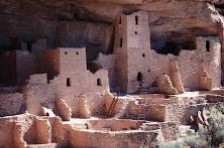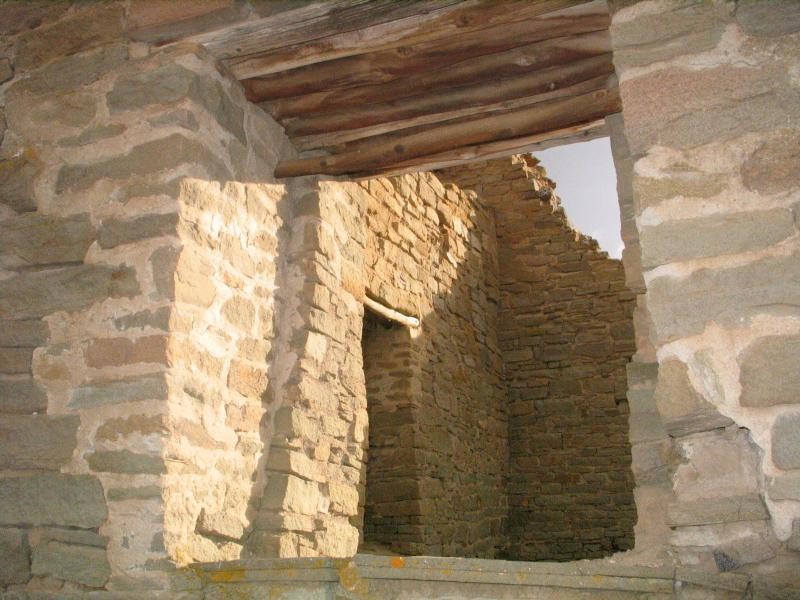
“He is on night-watch, standing sentry at his pueblo’s east barricade. Throughout the many rooms of the pueblo’s cliff dwellings, The People slumber in peace.”
* * *
“Under a massive cliff overhang, his pueblo sprawls behind him as shadowed shapes of rounded rock houses and kivas facing south. Below him, just beyond the eastern barricade, spread the pueblo’s wide crop fields flourishing beyond the cliff settlement’s walls. A large creek meanders through them, life-giving and more valuable than livestock or wives. Large bowl-shaped pits dug to catch precious rainwater and small furrows of water from the creek are channeled to rows of thriving beans, corn, and squash. Stone storage buildings, stick and adobe mud pens for sheep and goats, cooking pits with flat, heated stones for baking; all are worthy of admiration from his sentry perch. Klah’s entire life has been lived in this communal settlement. He smiles, a man proud of his home and devoted to his people.
Behind the Pages
The recipe for adobe is simple: Mud. Water. Straw.
Ancestral Pueblo* cliff dwellings exist today, long-standing tributes to adaptive construction in an environment. Communal villages were built in natural, sheltered recesses in the faces of cliffs. Long before our contemporary apartments and condos, these ancient structures were often two to four stories tall. Massive, multi-story complexes of adobe mortar and stone contained hundreds of contiguous rooms used for living, storage, and community organization.
Built in stepped-back fashion, roofs of the lower rooms served as terraces for as many as 20 to 1000 rooms above. This was a cooperative culture, united in the defense and success of their community.
Humble adobe and stones have provided shelter for millennia in many countries and cultures. This durable building material helped build ziggurats in Mesopotamia to energy-efficient homes in the American Southwest. Centuries later, this sheltered aesthetic partnered with nature emerges again in Frank Loyd Wright’s devotion to blending in with surrounding natural features. It’s true, everything old is new again.
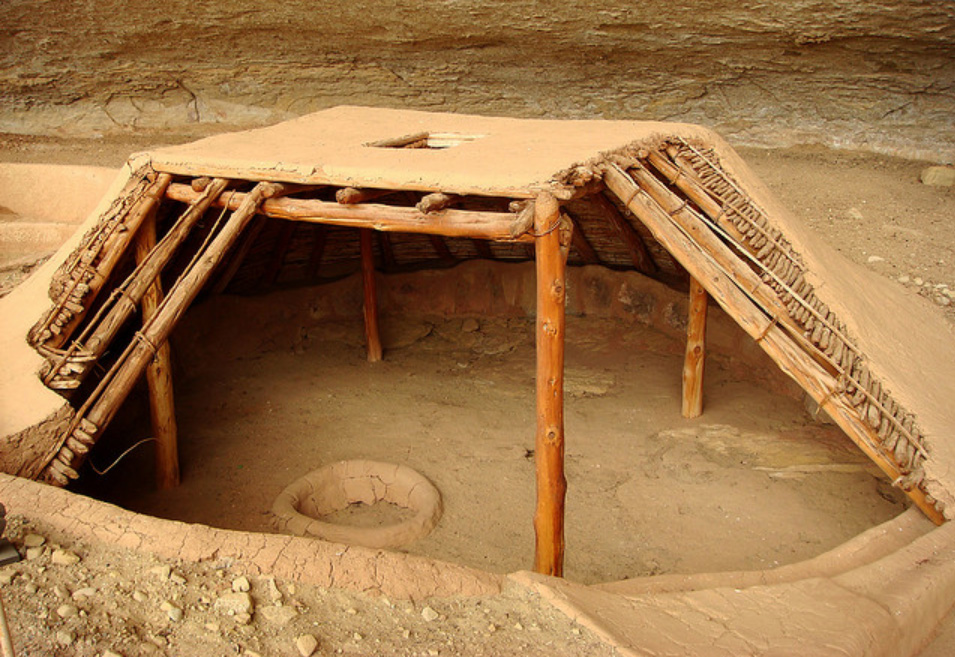
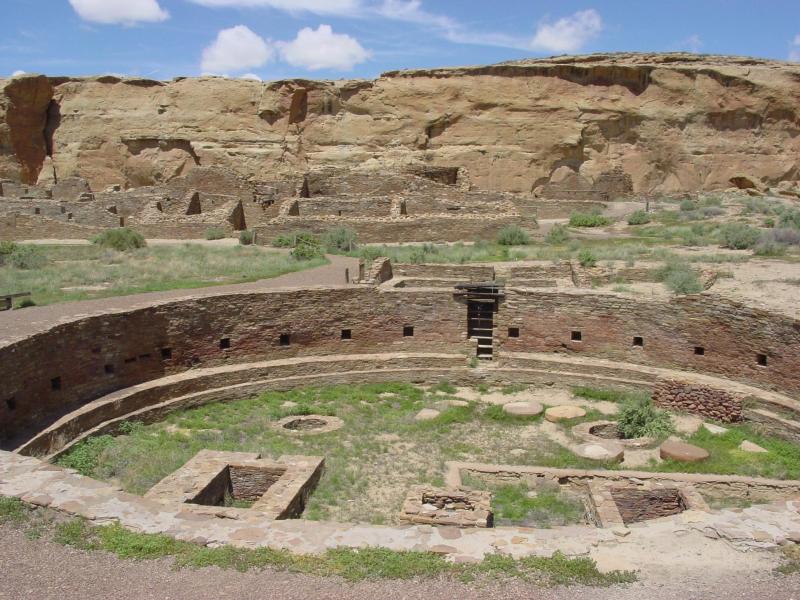
Called pit houses and later, kivas, one distinctive feature was a semi-subterranean circular structure. Key features were supporting wooden posts, an entrance hole in the roof, ventilation shafts, and supporting walls of adobe plaster and stones. Religious ceremonies and administrative affairs were held around the central fire pit for the collective community. Like King Arthur’s fabled Round Table, community citizens sat in a circle on adobe benches along the curved wall. All were to be heard and respected.
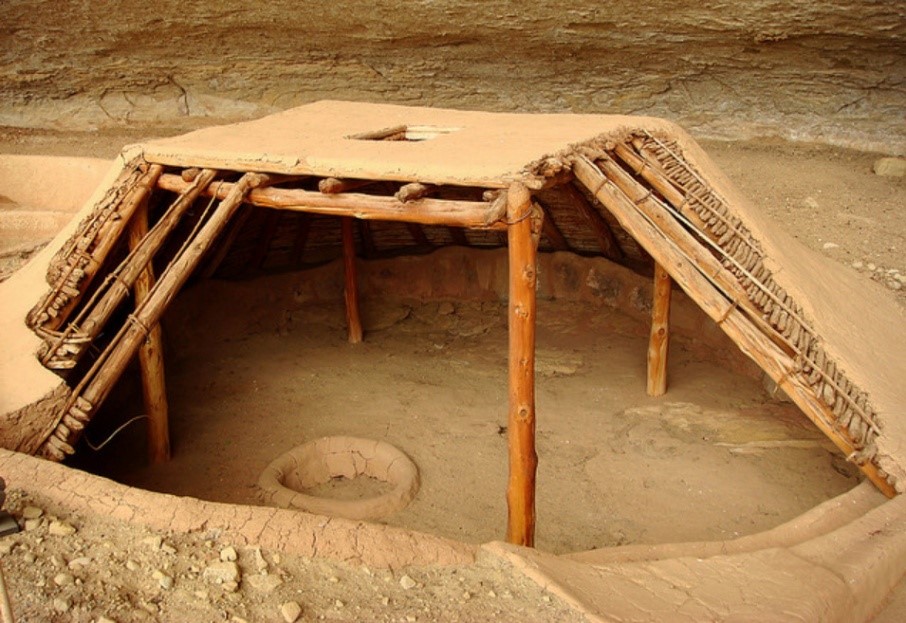
Early pit house structure. Photo courtesy of www.naturalbuildingblog.com.
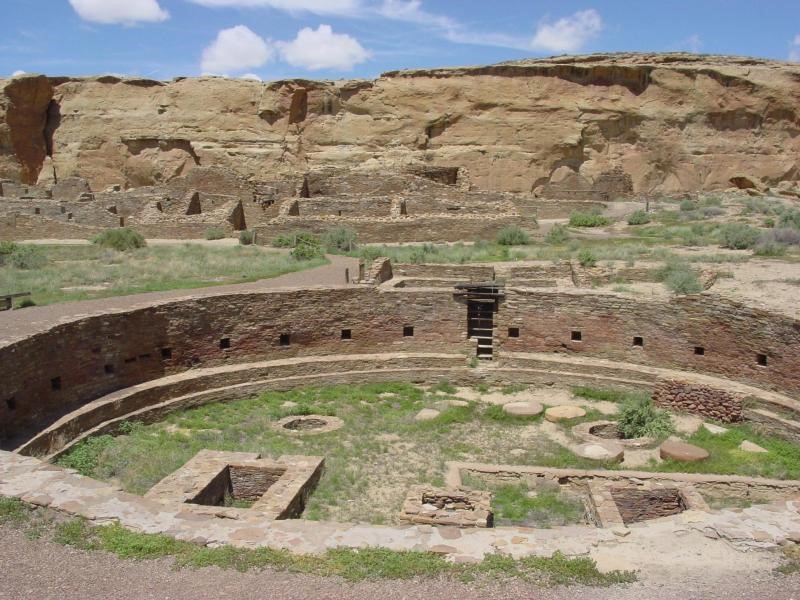
Great Kiva at Chaco Canyon. Image courtesy of the NPS
.
For centuries, Ancestral Pueblo people thrived in these defensible communities where agriculture was the main economic activity beginning around 100 BCE. Domesticated plants from Mexico such as corn, squash, cotton, peppers, sunflower and beans were introduced around 200 BCE.
Initially, Ancestral Pueblo people were dry farmers; unpredictable rainfall for growing crops was an early challenge. Advancements in irrigation, dams, and rainwater storge helped them become sedentary cliff dwellers by approximately 500 CE. Over time, they domesticated local animals like wild turkeys.
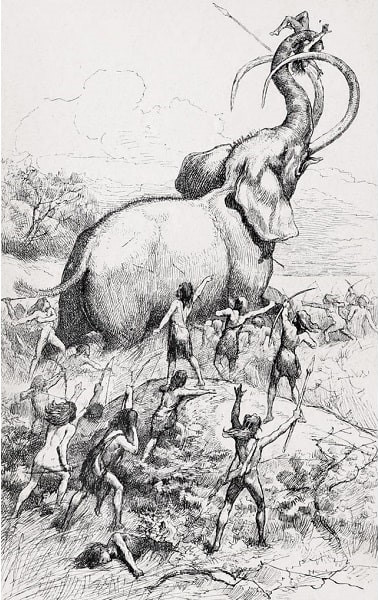
Prior to this shift, archaeological evidence indicates Ancestral Pueblo groups, like their Paleo ancestors, foraged open grasslands during most of the year and returned to sheltered canyon dwellings during the winters.
Craftsmanship in weaving, pottery, baskets, and sandals achieved its finest quality during the later period. Potters of the Ancestral Pueblo region built up coils of clay and then scraped them smooth, which we call the coil-and-scrape technique. They crafted stunning black-on-white, red, and multicolored (polychrome) pottery. Art met practical usage; do we not also appreciate a sensible water pitcher with artistic flair or color?
Using roads and raised platforms to send signals to neighboring groups indicated a sophisticated level of organization among mostly cooperative communities. Enemies were the nomadic people who roamed through Ancestral Pueblo lands. Early traditional pueblos purposely lacked ground-level doors or windows for defense, requiring residents to move between levels using removable exterior wooden ladders.
An extensive trade network reached south to Mexico and east to the plains. Ancestral Pueblo pottery fragments have been found as far east as Ohio. Trade networks brought turquoise, copper, shells and macaw feathers.
Ancestral Pueblo people abandoned their adobe and stone communities by about 1300 CE. The Great Drought (1276–99 CE) likely caused massive crop failure; rainfall continued to be sparse and unpredictable until approximately 1450CE. At the same time, and perhaps in relation to the Great Drought’s impact on the availability of wild foods, conflicts increased between the Ancestral Pueblo and ancestral Navajo and Apache groups.
The stone and adobe community with subterranean ceremonial kivas, dying fields, and multi-room cliff dwellings were abandoned. But this ancient culture lived on in modern Pueblo Native Americans, and the tantalizing adobe and stone structures left behind throughout the cliffs and mesas of the Southwest.
*Anasazi are also known as Ancient or Ancestral Pueblo** peoples. Concentrated in the present states of Utah, Colorado, New Mexico, and Arizona, most contemporary archaeologists have ceased using “Anasazi” because many modern Pueblo people oppose the term. As the name “Ancestral Pueblo” suggests, people in this region were among the ancestors of today’s Pueblo people.
The term “pueblo” is both the Spanish name of the culture and the name of their dwellings. The building style and social organization of space was similar to the “pueblos” or villages Spaniards left behind on the Iberian Peninsula beginning in the 1500’s.